GreenField Silage helps you plan each stage with care, so your crop is managed for reliable storage and feeding.
We focus on the day-to-day work that matters in silage: timely grass cutting, careful clamp management, and steady fermentation. Our approach is grounded in practical planning for UK farms, helping support consistent forage quality for livestock feeding.
GreenField Silage was built to support farms that need reliable help through busy silage and feeding periods. We work day to day alongside dairy farms, livestock producers, mixed farms, agricultural contractors, and landowners, helping with grass cutting, clamp work, forage handling, and seasonal labour. Our approach is straightforward: arrive prepared, keep plans clear, and focus on the details that help forage move smoothly from field to storage. By working around each farm's routine, we aim to make production, fermentation, and feeding stages more manageable and less stressful.
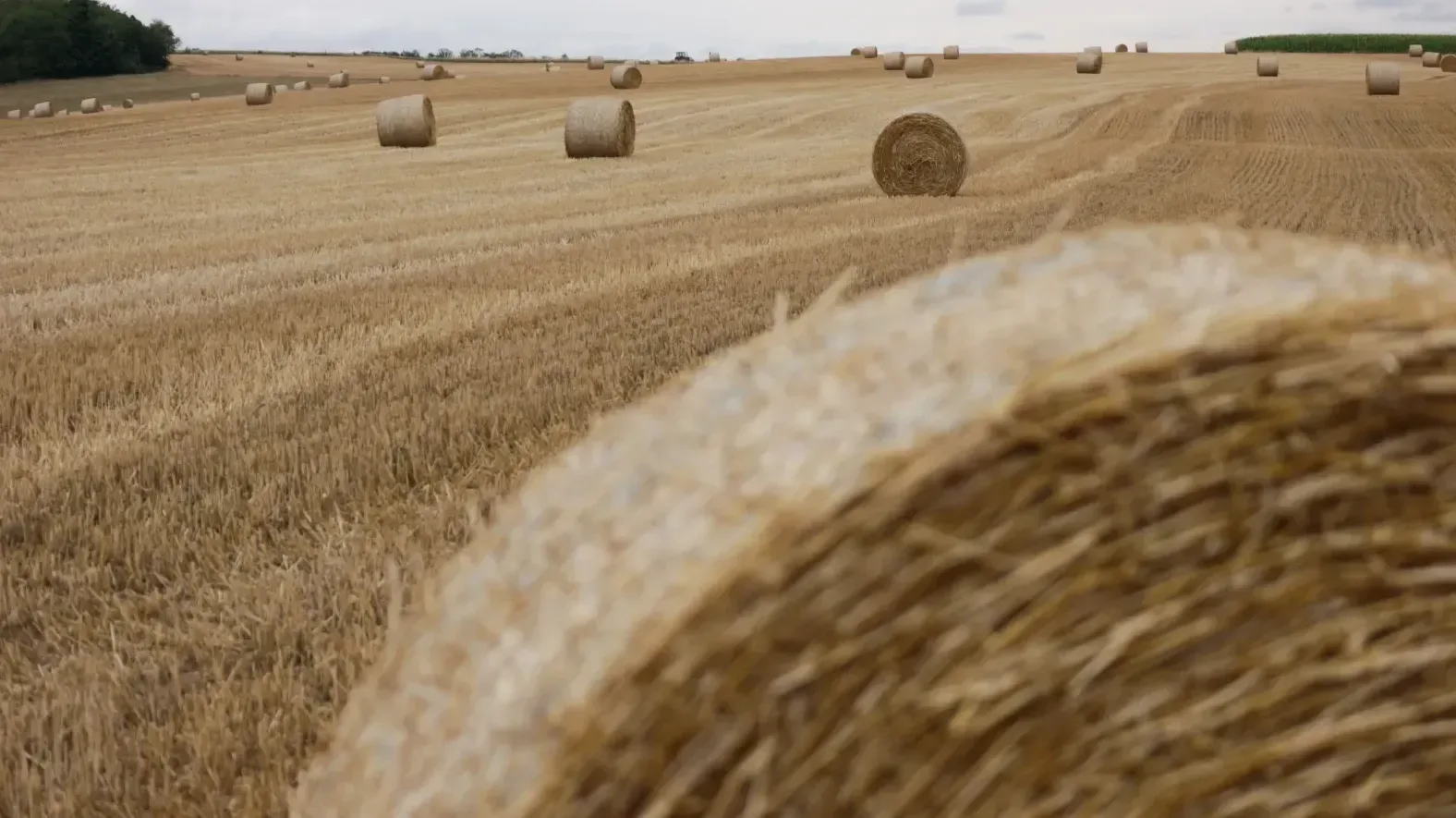
GreenField Silage provides dependable silage support for farms across the UK, helping customers produce high-quality forage with efficient harvesting, storage, and feed-out services. We work with dairy, beef, sheep, and arable operations to improve consistency, reduce waste, and keep silage systems running smoothly throughout the season.
We provide silage harvesting and clamp filling with a steady focus on timing, crop condition, and tidy clamp management. From cutting grass at the right stage through to building a well-formed stack, the work is planned to support clean fermentation and reliable storage for livestock feeding later on.
Our forage trailer and transport support helps move cut grass efficiently from field to clamp with minimal delay. We keep an eye on traffic flow, load handling, and field conditions so the crop arrives in good shape and the harvesting team can keep moving smoothly.
Silage pit consolidation and rolling are carried out to remove air and create a firm, even clamp face. Careful rolling is part of the preservation process, helping reduce spoilage and supporting better fermentation across the stored forage.
We handle clamp covering and sheeting with attention to sealing, overlap, and edge protection. A well-covered clamp helps protect stored silage from weather and air ingress, which is an important part of maintaining forage quality through the storage period.
Silage additive application is managed to suit the crop, clamp setup, and intended feeding use. Applied at the right point in the process, additives can support fermentation and help make the most of the grass being stored for livestock.
GreenField Silage begins by learning about the client’s farm goals, herd needs, and current feed challenges. This first conversation helps us understand what kind of silage solution may fit best.
Next, the team reviews crop conditions, harvest timing, and storage setup to identify the most practical approach. This step helps align the plan with real farm conditions and available resources.
GreenField Silage then coordinates the harvest schedule and delivery details with the client. Clear planning helps keep the process organized and supports smooth handling from field to storage.
After the silage is in place, GreenField Silage stays in contact to answer questions and review how things are progressing. This ongoing support helps clients make informed decisions for future seasons.
Numbers that speak for themselves


Our facilities


This video highlights our company in a clean slideshow format, showcasing the services we provide, the way we work, and the value we bring to clients. You will see professional visuals that reflect our team, our capabilities, and the business solutions we help deliver.
Client feedback
"Silage planning often starts with crop timing, harvest coordination, and storage readiness. GreenField Silage is presented as a general reference for teams comparing options for seasonal handling."

Illustrative example
"Handling practices can vary depending on crop type, moisture level, and available equipment. The topic is commonly discussed in terms of consistency, safety, and workflow organization."

Illustrative example
"Feed management usually involves clear storage, routine checks, and careful allocation. GreenField Silage may be used as a neutral example when reviewing basic silage-related operations."

Illustrative example
"Operational setup for silage work can include equipment layout, team roles, and site access. These details are often considered together to support a practical and organized process."

Illustrative example
Stay updated

High-quality silage begins long before harvest. Careful crop management and timing can help support better fermentation and feed consistency.

Storage conditions can have a major impact on silage performance. Good sealing and careful handling help reduce spoilage and keep feed more consistent.

A smooth silage season often depends on preparation. Reviewing equipment, labor, and timelines early can help operations run more efficiently.
Common questions
GreenField Silage usually supports the full silage process, from grass cutting and clamp or bale preparation through to fermentation and storage. The service is aimed at helping livestock farms manage a steady feed supply with practical planning around the work that needs doing on site.
A typical job includes assessing the crop, carrying out the cutting and moving material into storage, then helping make sure the silage is packed and managed for proper fermentation. Depending on the setup, the work can also cover coordination of feeding needs and storage space so the crop is handled in a way that suits the farm.
Pricing is usually based on the type and volume of silage work, the distance to the site, and the level of planning needed around cutting, storage, and feeding arrangements. A quote typically covers the agreed scope clearly, so you can see what is included before any work begins.
Several things can affect cost, including grass conditions, access to the field, haulage distance, the storage method, and how much coordination is needed with livestock feeding plans. If the crop needs extra handling or the timetable changes, that can also influence the price.
You can reach GreenField Silage by phone or email to share the basics of your farm, the grass available, and your planned feeding needs. Once we have that information, we can talk through the next practical steps for production, cutting, fermentation, and storage so the work is lined up properly.
Get in touch
GreenField Silage, Unit 4, Maple Industrial Estate, Station Road, Lutterworth, Leicestershire LE17 4HE, UK